Planning a Relaxed Countryside Walk Without Overpacking
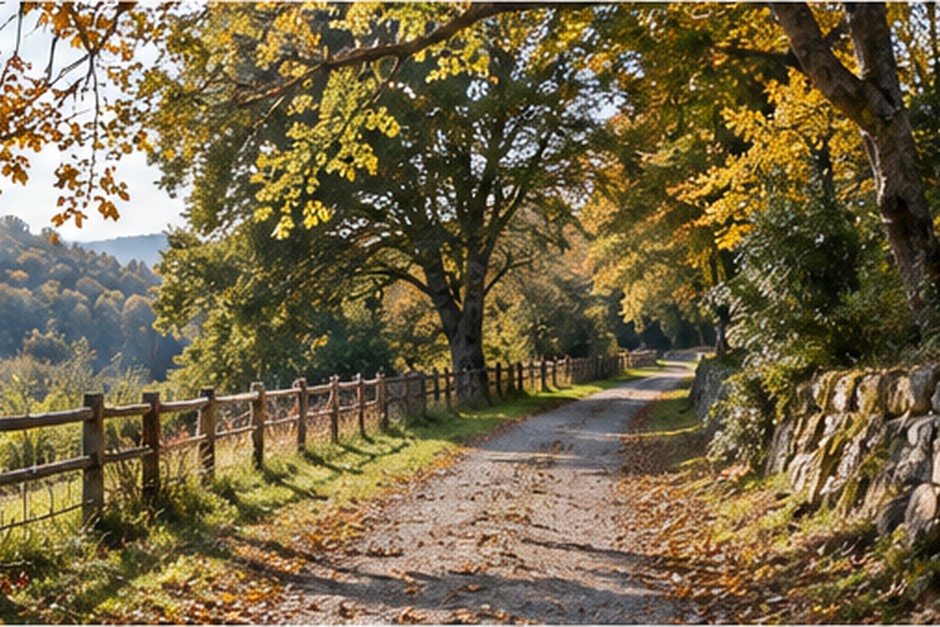
A relaxed countryside walk rarely needs an expedition-sized packing list. For a half-day or day route on established paths, the most useful preparation is knowing where you are going, how long it should take, and what conditions are likely to change along the way. A light bag leaves more attention for the landscape and less for equipment.
Begin with a route that matches the slowest person in the group, not the fastest. Distance alone can be misleading: a short route with steep climbs, muddy ground, or many gates can take longer than a flat path twice as long.
Choose a route with clear decision points
Look for a route description or map that shows obvious landmarks such as villages, bridges, woodland edges, junctions, or viewpoints. Note where you could shorten the walk if the weather turns or energy drops. A circular route is convenient, but an out-and-back path has one useful advantage: you can turn around at any point without having to improvise a new way home.
Check where you will park or arrive by public transport and whether the final bus or train leaves early. If daylight is limited, work backwards from sunset and leave a generous margin. The aim is to avoid spending the final hour rushing.
Pack for comfort first
For many easy walks, the essentials fit into a small day bag: water, a snack or simple lunch, an extra layer, a light waterproof, tissues, and a charged phone. Add sunscreen or a hat when the forecast calls for it. A compact power bank can be useful if you rely on your phone for maps.
Water matters more than carrying several backup gadgets. Bring enough for the route and conditions, with a little extra if there are no places to refill. On cool days people often forget to drink because they do not feel thirsty, so take occasional small sips rather than waiting until you are dry-mouthed.
Wear layers you can change easily
Countryside weather often shifts between exposed fields, sheltered lanes, and wooded sections. One heavy layer can become uncomfortable quickly. A light base layer, a mid-layer, and a thin wind or rain shell are easier to adjust.
Footwear should suit the ground rather than the fashion category. On dry, well-surfaced paths, comfortable walking shoes may be enough. After rain, shoes or boots with deeper tread make muddy sections less tiring. The best footwear is usually the pair you have already worn for several hours without rubbing.
Keep navigation simple and redundant
Download the map before leaving mobile coverage. Take a screenshot of the key section as a backup and note the names of nearby villages or roads. A paper map is useful on longer or more remote routes, but for a straightforward local path, the most important thing is that you can identify your current position and the next obvious waypoint.
When the path becomes unclear, stop before walking far in the wrong direction. Compare the shape of the path, field boundaries, and nearby features with the map. Ten seconds of checking early is easier than a long correction later.
Leave room for unplanned pauses
A walk feels different when every stop is treated as lost time. Build in enough spare time to sit on a wall, look at a view, take a photograph, or buy something in a village shop. If the route estimate says three hours, planning for four can make the whole outing feel more relaxed.
This is also why a shorter route often produces a better day than an ambitious one. Finishing with energy left means you can enjoy the final stretch rather than counting the minutes to the car.
Before you set off
Tell someone roughly where you are going if the route is remote, check the weather one last time, and make sure your phone has enough charge. Close gates behind you, stay on signed or mapped paths, and give livestock plenty of space. If conditions look worse than expected, choosing a café or a shorter riverside loop is still a successful day out.
The best preparation is the kind that disappears once you start walking. A sensible route, light bag, suitable shoes, and a little extra time are usually enough to let the countryside become the main event.